TL;DR
- Returns management is the end-to-end system for handling customer returns (policy & workflows), from request and RMA approval to pickup/drop-off, warehouse inspection, refund/exchange, and restock, repair, recycle, or disposal.
- Done well, it protects margins and loyalty by making returns fast and transparent, using return insights to improve product quality, listings, sizing info, and packaging to prevent repeat issues.
- Best practices: keep the policy clear, visible, and upfront about fees, offer flexible return options (refund, exchange, credit), and update the policy based on data and feedback.
- Technology (RMS, AI/analytics, and integrations with ecommerce, WMS/IMS, CRM) automates labels, approvals, refunds, inventory sync, and customer updates, while partners like Nimbl can run the full reverse-logistics workflow end to end.
Returns are an inevitable aspect of modern retail, with e-commerce return rates typically ranging from 20% to 30%.
While many retailers once accepted high return volumes as a necessary cost of doing business, today’s leaders are rethinking that approach. By prioritizing returns management and adopting strategic practices, businesses can turn what was once a costly burden into a powerful driver of growth, efficiency, and customer loyalty.
What Is Returns Management?
Returns management is a structured approach to handling items customers send back, whether due to sizing issues, defects, or a change of mind. It includes all policies and workflows for receiving, processing, and deciding whether to restock, resell, or dispose of returned products – across both physical and online stores.
The Returns Management Process – Step By Step
Here’s a typical returns process for online orders:
Customer Initiates The Return
It all starts when the customer isn’t satisfied with their purchase and submits a return, refund, or exchange request. Note that a user-friendly experience at this stage makes a significant impact; it actually sets the tone for the whole journey.
Your Team Reviews The Request
Next, your team checks if the request aligns with your return policy, using a Return Merchandise Authorization (RMA). This tool automatically detects whether product X is eligible for return and prevents misuse. It also maintains transparency throughout the process.
Product Collection Or Drop-Off
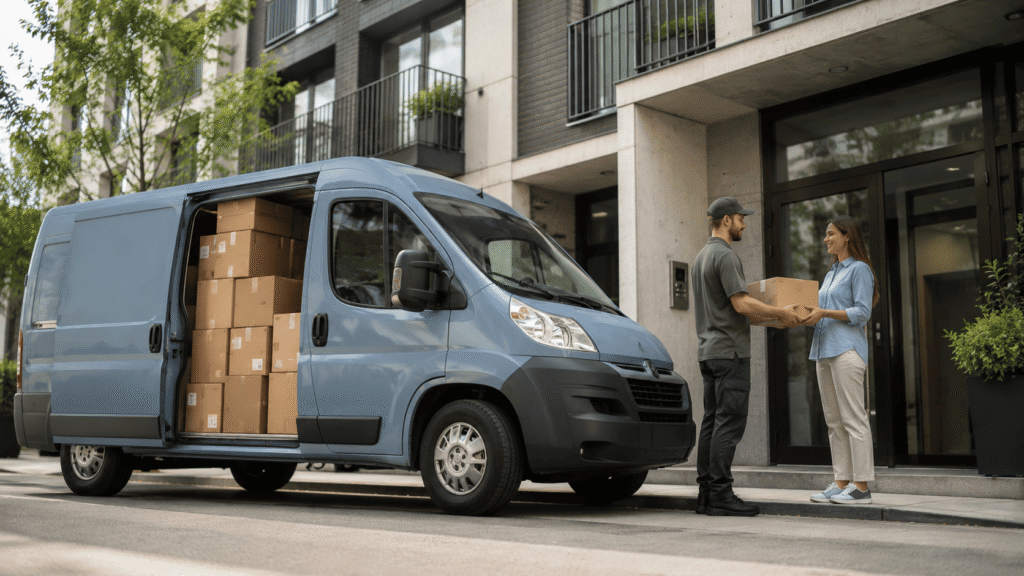
Upon approval, the customer returns the product. This could be as simple as printing out a free label, dropping the package off at a local point, or even having it collected from home. The process should be easy with clear instructions to avoid confusion.
Arrival & Inspection At The Warehouse
Once the item reaches your warehouse or fulfillment center, it’s carefully assessed. Can it be sold again? Should it be fixed and, if not, can it be recycled? This step shapes the item’s next chapter – and just as importantly, it often reveals why the item was returned in the first place.
Whether it’s a sizing issue, product defect, or misleading description, these insights can help improve everything from product quality to customer experience.
Processing A Refund Or Exchange
As a seller, you need to close the loop for the customer quickly and smoothly, whether through a refund, a swap, or store credit, based on what works best and aligns with your published policy. Delays at this stage can lead to frustration and erode trust.
Inventory Update Or Final Disposal
If the product is still in good condition, it goes back to inventory. If not, it’s set aside for repair, recycling, or disposal. Either way, this is where you close the loop and prepare for future orders.
When these steps work in harmony, they yield a streamlined process that enhances customer satisfaction, controls costs, and improves overall order fulfillment.
Best Practices For Returns Management That Actually Work
A well-crafted return policy can be a sales generator. Here are some tips from retail experts:
1. Keep It Clear & Visible
Say it simply. Don’t emphasize your policy in dense legalese. Explain to customers exactly what they need to do, the return timeframe, and what comes next. Place your return policies on your product pages, checkout screen, and help center.
2. Be Honest & Upfront
If you charge restocking or return shipping fees, make that known. While 88% of digital shoppers expect free returns, clear communication – fees included – can still encourage return customers by building credibility and trust.
3. Give People Options
Returns shouldn’t be one-size-fits-all. Offer in-store returns, drop-off points, or in-home pickup. And offer exchanges, credit, or refunds based on what the customer wants.
4. Keep Your Policy Fresh
Customer expectations evolve. Take time to review your returns data, collect feedback, and revise your policy regularly to reflect what shoppers actually need.
5. Let Everyone Know When Things Change
If you update your policy, don’t bury the news. Use banners on your site, email updates, and FAQs to make sure returning customers aren’t left in the dark.
Reducing Product Returns Starts Before Checkout
The truth is that if you want to reduce returns from the start, you need to focus on the pre-purchase experience.
Give Customers All The Details
Clear product descriptions, size charts, dimensions, materials, and lifestyle images help set expectations. For apparel, poor fit or style accounts for 70% of returns, so don’t leave sizing or other crucial information vague.
Let Shoppers “Try Before They Buy” With 3D Or AR
Technologies like Augmented Reality (AR) or 3D modeling allow customers to visualize products in their space. Case in point: A dog kennel store added 3D crate previews and cut returns by 5%, while increasing conversions by 40%.
Focus On Quality Control & Protective Packaging
Research shows that more than half of returns are linked to preventable issues, like defects or shipping damage. Inspect products before they leave the warehouse and use proper packaging for protection.
Listen To The Feedback
Every return tells a story. Collect data from forms, support calls, and customer reviews. Over time, you’ll spot recurring issues you can address in your product descriptions, sizing, or manufacturing.
Nudge Toward Exchanges Or Credit
Instead of processing a refund, there are various store integrations that can help you encourage exchanges or credit, saving money and retaining customer value.
Automate Returns Management
Automation helps you speed things up, reduce manual tasks, and eliminate errors. From printing return labels to issuing refunds and syncing inventory, tech makes returns management smarter and simpler.
The Strategic Role of Technology In Returns Management
Returns don’t have to be a headache, not with the right tools in place. Here’s how smart technology can support your return workflows:
Returns Management Systems (RMS)
An RMS does it all: approving a return, tracking it, issuing a refund, and synchronizing your warehouse. It brings order to the chaos and keeps things running smoothly.
AI & Analytics
Data gives you clarity. By analyzing return reasons and behaviors, AI (Artificial Intelligence) can help predict trends, automate decisions, and even assess item condition based on photos or videos.
Seamless System Integrations
Your returns system should integrate with your other platforms, including e-commerce store, inventory management software, CRM (Customer Relationship Management) system, and more. When everything connects, your team saves time and your data stays sharp.
Keep Customers In The Loop
From start to finish, tech helps you send proactive updates: ‘Your return has been approved,’ ‘Your refund has been issued.’ These little touches go a long way in building trust and reducing support inquiries.
How Nimbl Can Help
At Nimbl Fulfillment, we know just how frustrating an inefficient returns process can be—for both your team and your customers. That’s why we’ve built a complete returns and reverse logistics solution designed for today’s e-commerce needs.
We handle everything: from the initial request and product inspection to refurbishment and final disposal. Every return is managed with care, speed, and consistency.
Combining our years of expertise with advanced integrations, such as WMS and EDI, we facilitate seamless communication between systems, enabling quicker processing of returns and immediate inventory updates.
Our team is committed to quality and reliability, and to helping businesses effectively manage returns, optimize their supply chains, and deliver exceptional customer experiences. Get in touch!
Returns Management FAQs
What Is Returns Management?
Returns management is the end-to-end system for handling items customers send back, including your policies and the workflows for approvals, shipping/drop-off, warehouse receiving, inspection, refunds or exchanges, and deciding whether an item is restocked, refurbished, resold, recycled, or disposed of. It’s especially critical in e-commerce, where return rates commonly land in the mid-teens to around 30% depending on category.
How To Get The Most Out Of Returns Management?
Treat returns as a controlled process, not a “cost you accept.” Keep your policy clear and visible, make initiation simple, use RMA rules to prevent abuse, inspect fast, and close the loop quickly with the right resolution (refund, exchange, or credit). Then use return-reason data to fix the root causes (fit, product quality, listing clarity, packaging) and automate where possible to reduce labor and errors.
How Returns Management Reduces Carbon Emissions?
Better returns management cuts emissions mainly by reducing avoidable returns and optimizing reverse logistics. Practical moves include improving product information to prevent “wrong item” returns, consolidating shipments, using smarter routing and fuller loads, and getting more items back into resale rather than long-distance back-and-forth transport. Research shows transportation can dominate the footprint of returns in centralized networks, so even small routing and network changes can have outsized impact.
Who Handles Returns Management In 3PL Services?
In a 3PL setup, the merchant typically owns the return policy and customer-facing rules (windows, fees, what’s eligible), while the 3PL executes the physical workflow: receiving, inspection/grading, restock, refurbishment, kitting, recycling/disposal, and inventory updates. The best outcomes come when the 3PL connects returns tooling with the WMS and your ecommerce/CRM so statuses, refunds/exchanges, and inventory sync happen quickly and consistently.
What Is An RMA, And Why Does It Matter?
An RMA (Return Merchandise Authorization) is the approval and tracking step that confirms a return is eligible and ties the item to an order, reason code, and workflow. It reduces mistakes and policy abuse, improves visibility for customers and support teams, and speeds up warehouse processing because every return arrives “pre-identified.”
What Are The Most Common Reasons Customers Return Items?
The biggest drivers tend to be “not as expected,” fit/sizing issues (especially in apparel), defects, and shipping damage. In apparel specifically, survey-based research has found poor fit or style accounts for a large share of returns, which is why sizing tools and clearer product details can materially reduce volume.
What Should You Do With Returned Inventory?
After inspection, most returns fall into a few paths: restock and resell (new or open-box), refurbish/repair, route to liquidation/secondary markets, recycle, or dispose when the item can’t be economically recovered. The key is having consistent grading criteria and tight inventory updates so sellable units return to stock quickly and unsellable units don’t clog storage.
Which Returns KPIs Are Worth Tracking?
A few metrics usually tell the story: return rate by SKU/category, top return reasons, time to receive and inspect, time to resolution (refund/exchange/credit), percentage restocked vs written off, and total cost per return (labor, shipping, processing, loss). Tracking these consistently helps you spot preventable returns and prioritize fixes that reduce both cost and customer friction.
How Can You Reduce Returns Before Checkout?
Most return reduction happens upstream: tighten product descriptions, sizing charts, dimensions, images, and quality control, and use packaging that prevents in-transit damage. For apparel, improving fit guidance is one of the highest-leverage moves because fit/style issues are a major return driver.
What Role Does Technology Play In Returns Management?
Returns tech (RMS and integrated workflows) streamlines approvals, labels, tracking, refund triggers, and inventory sync, while analytics helps you understand patterns and prevent repeat issues. Industry research also highlights how strongly return-policy clarity influences shopper behavior, which makes automated, transparent status updates and easy self-serve flows a practical win for both CX and support volume.