TL;DR
- Retail distribution is how products move from manufacturers to end customers through channels like DTC, retailers, wholesalers, resellers, and independent distributors, balancing efficiency with customer experience.
- The main strategies are intensive (everywhere possible for high-demand goods), selective (chosen outlets that fit your brand), and exclusive (limited sellers to protect prestige).
- Best practices focus on placing inventory close to demand, choosing a strategy that fits your customers and margins, and monitoring performance to refine channels, logistics, and availability over time.
- As distribution shifts toward omnichannel and tech-driven operations (AI, automation, faster delivery options), many brands use 3PL partners to reduce costs, speed fulfillment, and scale across channels.
Retail distribution shapes how products reach consumers through channels like retailers, wholesalers, and DTC. This article explains key distribution strategies and best practices to help you improve distribution efficiency, expand reach, and deliver better customer experiences.
What Is Retail Distribution?
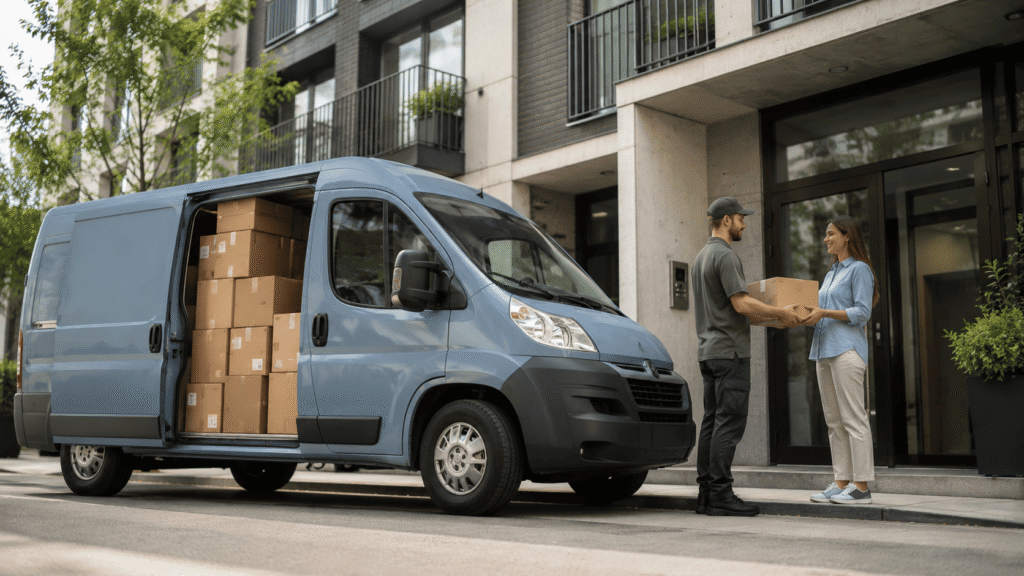
Retail distribution is the process of moving goods from manufacturers to end consumers through carefully designed retail distribution channels. It can involve intermediaries like wholesalers and retailers or a more direct path through direct-to-consumer (DTC) sales. At its core, retail distribution is both an operational system and a strategic decision, determining how products are sourced, handled, and delivered to customers.
A well-defined retail distribution strategy ensures products reach the right place at the right time, balancing efficiency with customer experience. Whether through wholesale networks or direct sales, the goal is to maximize accessibility, profitability, and brand impact.
Retail Distribution Channels
Direct-to-Consumer (DTC)
Also known as direct distribution, this model allows brands to sell directly to end customers through owned channels, such as an e-commerce website or physical store, without involving intermediaries. This retail distribution channel provides greater control over pricing, branding, and customer experience, making it one of the most popular modern retail channels of distribution.
Resellers
Resellers act as intermediaries, purchasing a company’s products and selling them either to consumers or other businesses. In retail and distribution, resellers play an important role in broadening market reach. They can include retailers, wholesalers, or other third parties who create additional paths for products to reach buyers.
Retailers
Partnering with established retail stores is a common way to expand visibility. For example, a coffee roaster might sell beans in their own café while also distributing to other shops. In this channel, strong relationships are key, as each retailer you partner with becomes an extension of your brand and adds one more selling point for your products.
Wholesalers
Wholesalers purchase products in bulk from manufacturers at discounted rates, then resell them to retailers at a markup. Well-known examples like Costco and Walmart demonstrate how wholesalers and large-scale retailers operate, driving volume sales while streamlining supply chains. This channel is central in many distribution strategies focused on wide market coverage.
Independent Distributors
An independent distributor is authorized to sell products to wholesalers or retailers on your behalf, creating an added layer in the retail distribution process. They streamline logistics and negotiations, enabling businesses to expand reach without managing every partner relationship directly.
Retail Distribution Strategies
Intensive (Mass) Distribution
Intensive distribution aims to place products in as many retail outlets as possible, leveraging multiple retail channels of distribution to maximize visibility and accessibility. This strategy is most effective for low-cost, high-demand items like snacks, beverages, or household goods, where brand loyalty is minimal.
By saturating the market, businesses ensure customers can easily find their products, whether in supermarkets, convenience stores, or vending machines. While this strategy builds awareness and market penetration, it comes with challenges.
Reduced control over branding and channel management can make it harder for you to stay consistent across all selling points. Still, for competitive consumer goods, it often proves to be the best distribution strategy.
Selective Distribution
Selective distribution is a strategy that limits product availability to carefully chosen retailers meeting specific brand or market criteria. Unlike intensive distribution, which focuses on making products available everywhere possible, this approach targets outlets that align with brand values, image, and customer expectations.
For example, premium hair styling brands may distribute through hair salons rather than mass retailers, ensuring a curated customer experience. The benefit is stronger control over brand perception, consistent quality, and deeper retailer partnerships. However, it requires precise knowledge of your target market to identify the best outlets for sustained growth.
Exclusive Distribution
An exclusive retail distribution strategy limits product availability to a small number of authorized retailers, or sometimes a single distributor in a region. This approach is most common among luxury brands, which rely on exclusivity to elevate prestige and reinforce brand credibility.
For example, high-end labels like Rolex or Louis Vuitton restrict access to select boutiques or their own flagship stores. The benefit of this “hard to get” model is tighter control over brand image and stronger retail partnerships. However, it can also limit accessibility, turning away customers who prefer more widely available options.
Best Practices In Retail Distribution
Match Supply To Consumer Buying Behavior
No matter what retail distribution strategy you adopt, placing inventory close to customers is essential. Strategic allocation across distribution channels:
- reduces shipping times,
- minimizes costs,
- ensures consistent availability.
By analyzing historical demand, you can stock high-performing regions better, preventing costly stockouts and avoiding long-distance transfers from low-demand areas.
For example, allocating more inventory to retailers or distribution centers with proven sales performance allows them to meet consumer demand without disruption. This approach strengthens retailer relationships, enhances customer satisfaction, and improves overall supply chain efficiency. Keeping inventory localized not only speeds up fulfillment but also supports sustainable practices by lowering transportation distances and emissions.
Identify The Best Distribution Strategy For Your Business
Identifying the best distribution strategy starts with understanding your customers and identifying where your business gains the most advantage.
Do you benefit more from partnering with wholesalers for reach, or from direct-to-consumer sales for control?
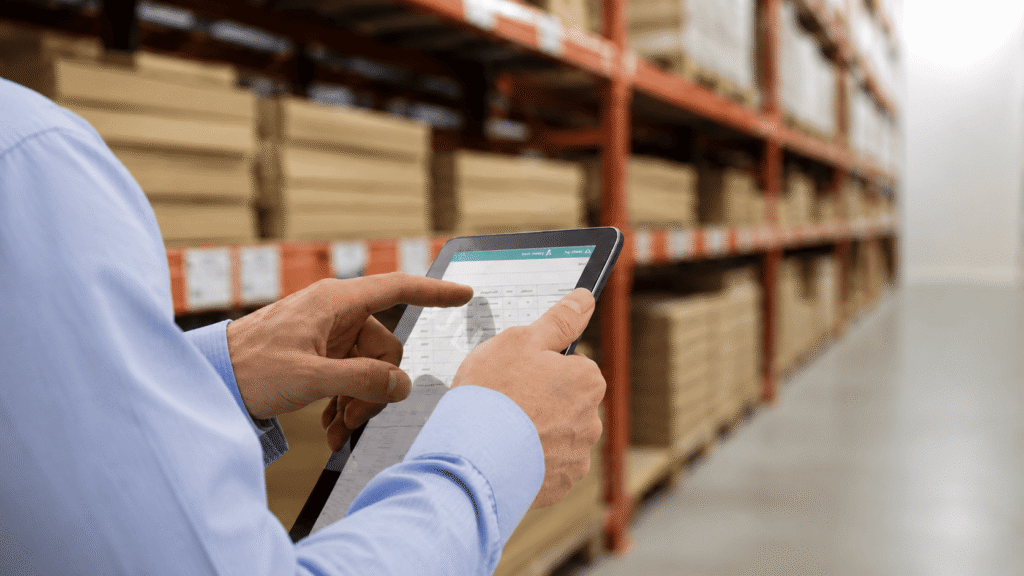
Technology is also by your side. A strong retail distribution management system helps track performance, optimize inventory, and avoid shrinking margins. Ultimately, the most effective retail distribution strategy balances accessibility with profitability, ensuring products reach customers in ways that strengthen brand value and maximize revenue.
Partner With A 3PL
Undeniably, managing retail distribution channels comes with challenges: inventory balancing, stock availability, and timely delivery. A reliable way to overcome them is by partnering with a third-party logistics (3PL) provider.
A 3PL handles:
- warehousing
- picking & packing
- kitting
- returns
- shipping
And ensures your retail distribution strategy runs smoothly across every channel.
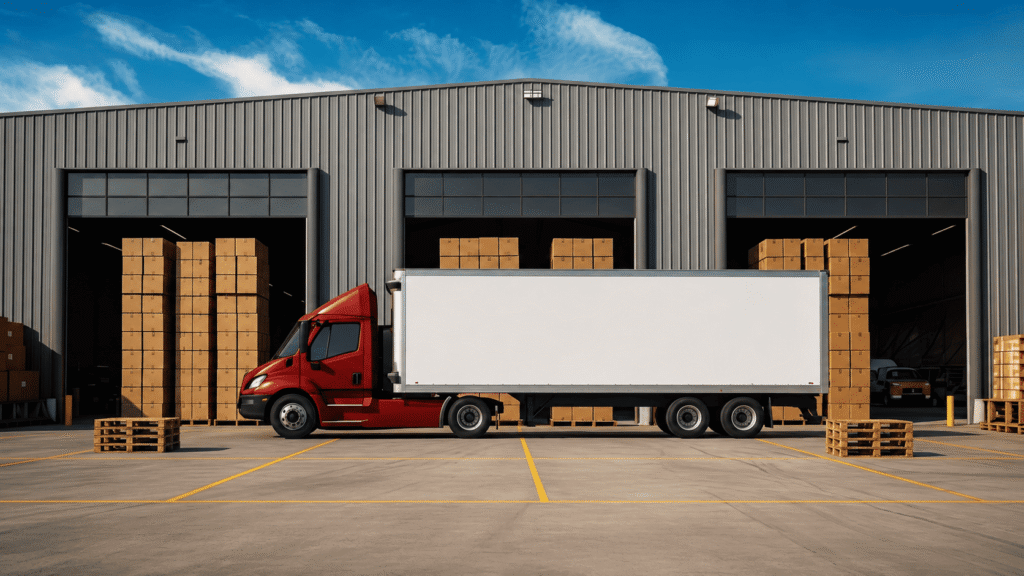
Outsourcing fulfillment reduces operational costs, enables faster deliveries, and gives you access to expert guidance on optimizing your supply chain. By leveraging a 3PL’s distribution network of fulfillment centers, you can position inventory closer to customers, accelerate order turnaround, and lower shipping costs.
In the end, a 3PL strengthens your retail and distribution operations, removes bottlenecks, and allows your business to expand into new markets with confidence.
Monitor & Refine Your Distribution Strategy
An effective distribution strategy is never static. It requires ongoing monitoring and refinement. Regularly audit your channels to identify imbalances, such as over-reliance on a single partner, channels with frequent stockouts, or those with low sell-through rates.
For example, New York-based skincare brand Glossier built its reputation through a strong DTC model but later expanded to partnerships with retailers like Sephora to reach customers who prefer in-store shopping.
Efficiency is equally important: optimize logistics by streamlining routes, consolidating shipments, or partnering with 3PL providers. Finally, use clear performance metrics (like order fulfillment rates, delivery speed, and customer satisfaction rates) to evaluate results.
Track Innovations Shaping The Future Of Logistics
The future of retail and distribution is being reshaped by rapid innovation. Leading retailers are adopting retail distribution management systems that integrate online and offline operations, powered by AI, machine learning, and robotics.
Omnichannel strategies, such as click-and-collect and same-day delivery, are no longer optional, but essential for meeting consumer expectations of speed and convenience. At the same time, agile supply chains rely on distributed order management and dynamic storage rebalancing to optimize fulfillment. This shift from linear supply chains to responsive networks positions retailers to adapt quickly, deliver superior experiences, and sustain long-term growth.
Optimize Your Distribution Model With Nimbl Fulfillment
Maximize efficiency and elevate customer experience by partnering with Nimbl Fulfillment. From kitting and assembly to streamlined logistics, packaging, and order and return management, Nimbl delivers scalable solutions tailored to your brand.
Our expertise ensures every product reaches customers faster, smarter, and with precision, helping you build a stronger, more resilient distribution model. Get in touch!
Retail Distribution FAQs
What Is Retail Distribution?
Retail distribution is the process of moving products from a manufacturer (or supplier) to the end customer through chosen channels, like DTC eCommerce, retailers, wholesalers, and distributors. It is both operational (how you store, move, and deliver inventory) and strategic (which partners and routes you use to balance reach, margins, and customer experience).
How Does Retail Distribution Work?
Retail distribution works by selecting a channel path, placing inventory where demand is, and executing fulfillment through the right facilities and transportation. Depending on your model, products may ship directly to customers (DTC), flow to retailers through wholesalers, or move through distributors that manage regional stocking and delivery.
What Is An Example Of Retailer Distribution?
A common example is a brand selling through retail partners: a coffee roaster may sell in its own café and website while also supplying local grocery stores or specialty shops that sell to end customers. That retailer becomes an extension of the brand at the point of sale.
What Are The 3 Retail Distribution Strategies?
The three classic retail distribution strategies are intensive, selective, and exclusive. Intensive focuses on maximum availability, selective limits distribution to a curated set of outlets, and exclusive restricts availability to a very small number of authorized sellers to protect brand control and prestige.
What Is A Retail Distribution Network?
A retail distribution network is the connected system of facilities and transportation used to store, move, and deliver inventory, typically including warehouses or distribution centers, carriers, and the processes/technology that coordinate them. The goal is reliable product availability with minimal cost and delay.
What’s The Difference Between DTC And Wholesale Distribution?
DTC sells straight to the customer through owned channels, giving you more control over pricing and the experience, while wholesale typically involves selling in volume to intermediaries (like wholesalers/retailers) who handle downstream selling. Many brands blend both to balance control and reach.
How Do You Choose The Right Retail Distribution Strategy?
Start with your buyer expectations (convenience vs. premium experience), your margin structure, and the level of brand control you need. Mass-market, low-friction products often benefit from intensive reach, while premium positioning usually fits selective or exclusive distribution where consistency and perception matter most.
What KPIs Matter Most For Retail Distribution Performance?
The most useful KPIs connect availability and customer experience to cost: track in-stock rate/stockouts, order fill rate, delivery speed/on-time performance, returns rates, and customer satisfaction alongside channel profitability. These show whether your network is both reliable and efficient.
What Role Does A 3PL Play In Retail Distribution?
A 3PL can run warehousing, pick/pack, shipping, and returns across multiple channels, helping you place inventory closer to customers and scale without building your own network. In practice, they help reduce operational burden while improving speed and consistency across distribution paths.
What’s The Difference Between A Distribution Channel And A Distribution Strategy?
A distribution channel is the route your product takes (direct, retail, wholesale, hybrid), while a distribution strategy is how broadly you want to cover the market (intensive, selective, exclusive). Most businesses choose a channel structure first, then apply the strategy that fits their brand and goals.