Not all ecommerce revenue models create growth in the same way. The right choice depends on what you sell, who you sell to, and how you plan to scale. This guide breaks down key business and revenue model examples to help you choose with more clarity.
TL;DR
- A revenue model explains how a business earns income, while a business model explains how it creates and delivers value.
- The broader ecommerce landscape includes B2C, B2B, C2C, C2B, B2G, D2C, and, in some frameworks, C2G.
- Common ecommerce revenue models include direct selling, white-label, wholesale distribution, dropshipping, subscription, and freemium to premium.
- The best fit depends on your target market, product type, margins, growth goals, and operational capabilities.
- Strong fulfillment matters across all e-commerce revenue streams because customer experience directly affects conversion, loyalty, and long-term growth.
What Is A Revenue Model?
A revenue model defines how a business generates income and turns operations into profit. It outlines the commercial logic behind how money comes in, while accounting for core cost drivers such as production, procurement, distribution, fulfillment, and marketing. At a high level, a revenue model explains the structure behind profitability. Within that structure, a business may rely on multiple revenue streams, each contributing to overall ecommerce revenue growth.
Revenue Model vs Business Model
A business model and a revenue model work together, but they serve different purposes:
- A business model defines how a company creates and delivers value through its products, services, positioning, and customer experience.
- A revenue model focuses more narrowly on how that value is monetized.
In simple terms, the business model explains the full commercial structure, while the revenue model shows how a business turns that structure into revenue.
7 Ecommerce Business Models With Examples
Business-To-Consumer (B2C)
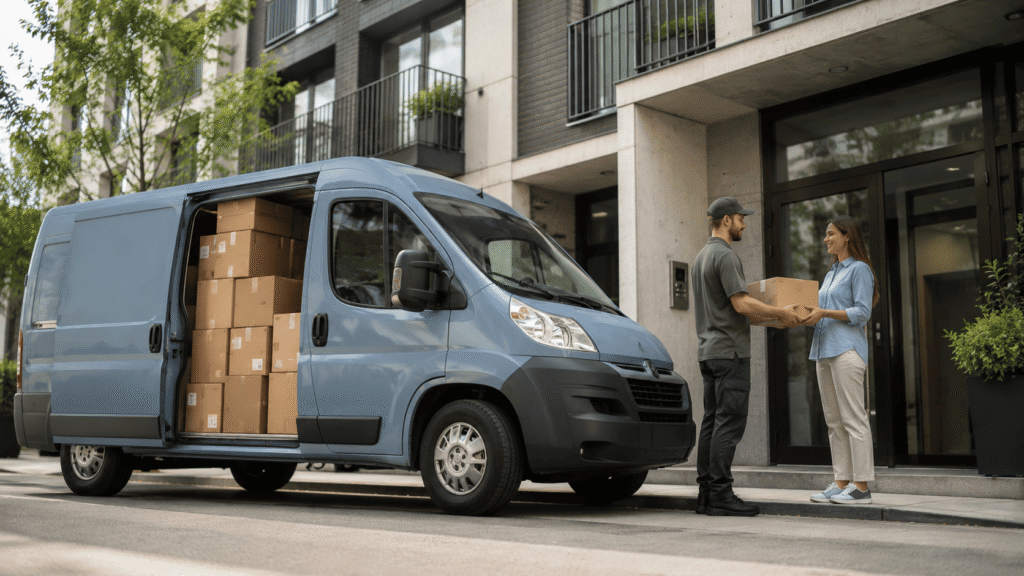
In the B2C e-commerce business model, a company sells directly to the end customer for personal use. For many brands, this structure becomes the foundation for broader e-commerce revenue streams, since the global B2C e-commerce market reached about $5.2 trillion in 2024 and is projected to grow significantly further. It is the most familiar format in online retail because it supports high-volume transactions, straightforward merchandising, and fast buying journeys.
Example: A customer buys sneakers from Nike.com.
Business-To-Business (B2B)
The B2B model applies when one business sells products or services to another business. Orders are often larger, pricing is more structured, and buyers may require account-based terms, repeat purchasing, or wholesale workflows. As a revenue model, B2B is built around volume, operational consistency, and long-term account value rather than impulse conversion. Forecasts place global B2B ecommerce at roughly $36 trillion by 2026.
Example: A custom apparel company purchases blank T-shirts in bulk from a manufacturer through Alibaba or Faire.
Consumer-To-Consumer (C2C)
In the C2C model, individuals sell directly to other individuals through a marketplace platform. Most transactions involve secondhand goods, though new items can also appear. This is one of the clearest revenue model examples of a platform-enabled marketplace, where the operator typically earns through listing fees, commissions, or payment processing rather than holding inventory.
Example: Someone sells a used PlayStation through eBay, Facebook Marketplace, Poshmark, Mercari, or Depop.
Consumer-To-Business (C2B)
The C2B model works in reverse of traditional commerce: an individual offers products, services, or assets to a business. This structure is common in freelancing, artwork, and handmade products. In practice, it expands e-commerce revenue streams by turning individual expertise or content into a sellable business input, often with flexible pricing and project-based engagement.
Example: A ceramic artist creates custom home decor items that an online retailer buys for a seasonal collection.
Business-To-Government (B2G)
B2G refers to businesses selling products or services to government entities, usually through contracts, procurement systems, and compliance-driven bidding processes. This business model is more specialized than standard retail or wholesale because documentation, security requirements, and vendor registration often shape how revenue is earned. It is typically suited to companies with operational maturity, traceability, and the ability to meet strict public-sector standards.
Example: A medical supply company wins a public contract to supply state-run hospitals with surgical gloves, syringes, IV sets, wound dressings, face masks, and diagnostic consumables.
Direct-To-Consumer (D2C)
D2C is a model where a brand sells straight to the end customer through its own channels, bypassing traditional intermediaries like retailers or wholesalers. This gives brands more control over pricing, customer data, and margin capture. Even if D2C’s share of total US ecommerce is projected to remain relatively flat after 2026, the model stays highly relevant because consumers still place strong value on buying directly from trusted brands for better experiences, exclusive perks, and closer brand relationships.
Example: Warby Parker, Glossier, Allbirds, and Dollar Shave Club sell directly through their own websites.
Consumer-To-Government (C2G)
In the C2G model, individuals interact directly with government entities through digital portals, usually to pay fees, submit documents, or access public services. This model doesn’t follow the logic of the previous models; it fits better under digital transaction or e-government solutions than traditional commerce.
Example: A citizen pays taxes online, renews a driver’s license, or submits a passport application fee through a government portal.
6 Ecommerce Revenue Models With Examples
Now that the core e-commerce business model types are clear, the next question is how those businesses actually earn. A revenue model defines the mechanism used to turn products, services, or access into income. Below are six of the most common e-commerce revenue models, each with a distinct role in shaping long-term profitability, customer acquisition, and operational complexity.
1. Direct Selling
Direct selling is a revenue model in which a company sells directly to the end customer without relying on traditional retail intermediaries. It reflects the D2C business model and creates revenue by allowing the brand to capture the full sale value rather than sharing margin with wholesalers, distributors, or retail partners. Beauty, home, and wellness categories are among the strongest fits for this model.
Example: A skincare brand sells premium beauty bundles through its own website, live product demos, and brand-hosted digital consultations instead of distributing through big-box retailers.
2. White-Label
White-label is a model in which a business takes a ready-made product and sells it under its own brand identity. It allows faster market entry because a manufacturer or service provider already handles product development. This model is useful if you need to test demand or build differentiated positioning without owning production from day one.
Example: An e-commerce home fragrance brand sources pre-manufactured candles from a supplier, applies its own branding and packaging, and sells the collection as a signature private line.
3. Wholesale Distribution
Wholesale distribution is a revenue model built around selling products in larger volumes to other businesses, usually at negotiated pricing. Rather than depending on one-off consumer purchases, the model focuses on repeat account relationships, order efficiency, and predictable replenishment. In e-commerce, wholesale portals streamline quoting, catalog access, and purchasing workflows, making this one of the most operationally scalable e-commerce revenue streams.
Example: A kitchenware supplier sells cases of cookware to independent online retailers through a password-protected B2B ordering portal with tiered pricing and minimum order quantities.
4. Dropshipping
Dropshipping is one of the most widely discussed e-commerce revenue models because the seller does not hold inventory at all. Instead, when an order is placed, the supplier fulfills it directly to the customer. This lowers upfront inventory risk, though it also reduces fulfillment control and margin flexibility. Recent market estimates place global dropshipping at $1.12 trillion by 2030, highlighting the model’s continued momentum.
Example: A niche pet accessories store sells online, but each order is packed and shipped by third-party suppliers rather than from the brand’s own warehouse.
5. Subscription Model
The subscription revenue model in e-commerce generates recurring income by charging customers on a scheduled basis for repeat deliveries or ongoing access. It is especially effective for replenishable goods, curated boxes, and convenience-driven categories because it improves revenue visibility and customer lifetime value.
Example: A vitamin brand offers monthly auto-ship plans with discounted pricing, predictable delivery intervals, and subscriber-only perks to create more stable recurring revenue.
6. Freemium To Premium
Freemium to premium is a model where users get basic access for free and pay to unlock advanced functionality, better limits, or an enhanced experience. It is most common in software and digital platforms, but the logic applies across digital commerce as well. For SaaS-style businesses, free-to-paid conversion rates in the 2% to 5% range are generally considered typical.
Example: A product customization app for ecommerce merchants offers a free entry plan with limited design tools, then charges a monthly fee for automation, analytics, and premium integrations.
Choosing The Best Revenue Model For Your Business
Choosing the right revenue model is a strategic choice that should reflect your market, your offer, and your growth goals. The strongest e-commerce revenue models we discussed above have proven themselves in real market conditions, evolved through practical use, and can create strong growth potential when aligned with your goals, products, and customer demand.
Yet, even the best model can lose momentum if fulfillment fails at the customer touchpoint.
If you are evaluating how your e-commerce revenue streams translate into scalable execution, Nimbl can help you align e-commerce fulfillment with the customer service your brand promises.
FAQs
What Kind Of Ecommerce Generates The Most Revenue?
By transaction value, B2B ecommerce generates the most revenue globally and continues to lead market scale.
What Are The 4 Types Of Ecommerce?
The four core types are B2B, B2C, C2C, and C2B.
What Are The 5 C’s Of Ecommerce?
A common framework is company, collaborators, customers, competitors, and context.
What Are The 7 Ecommerce Business Models?
Some frameworks focus only on the four core ecommerce types – B2B, B2C, C2C, and C2B – while a broader view also includes B2G, C2G, and D2C to reflect a more complete ecommerce landscape.